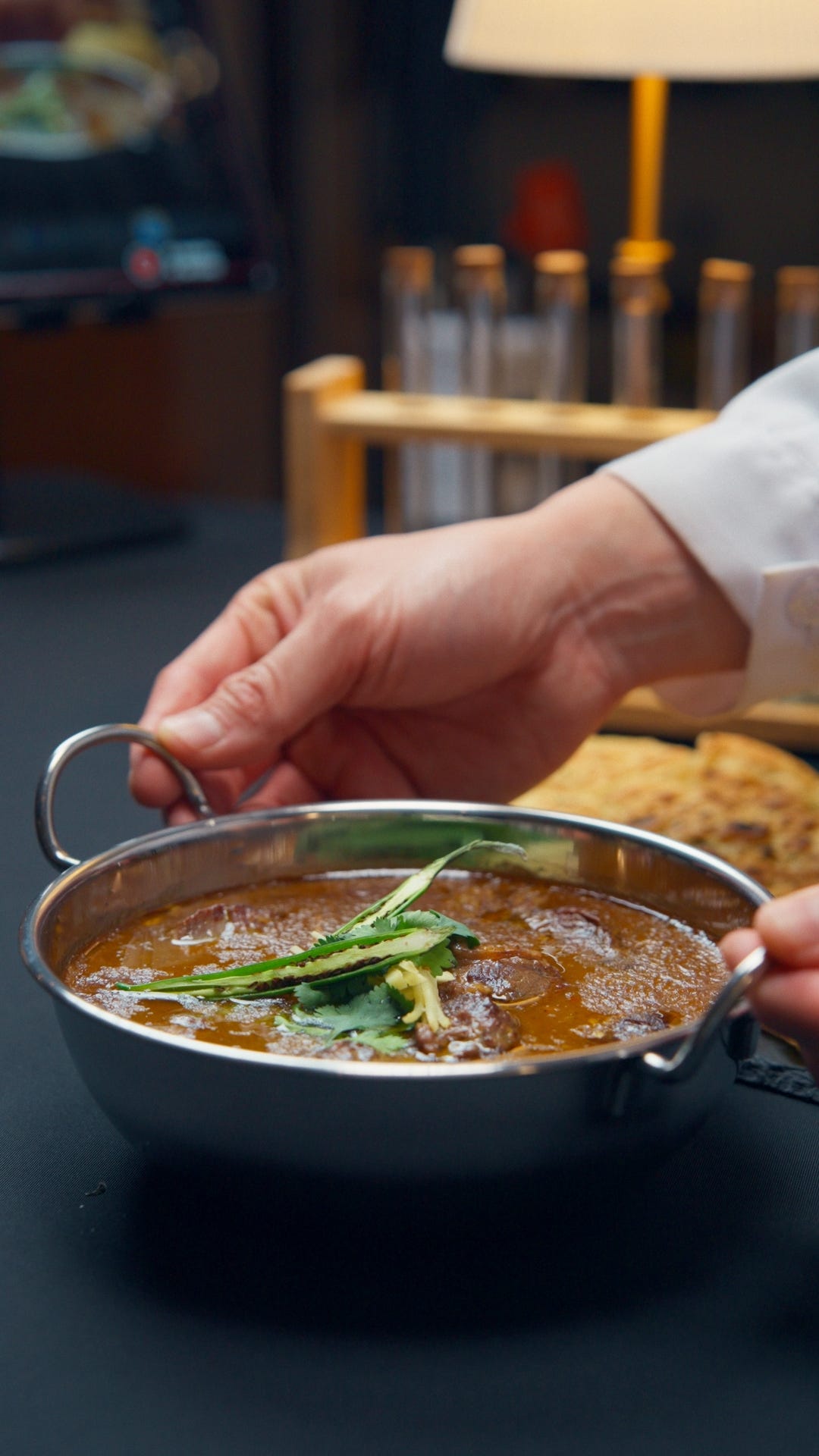
Science Based Nihari
An Indian/Pakistani Curry, also one of my favourite curries made with the help of science

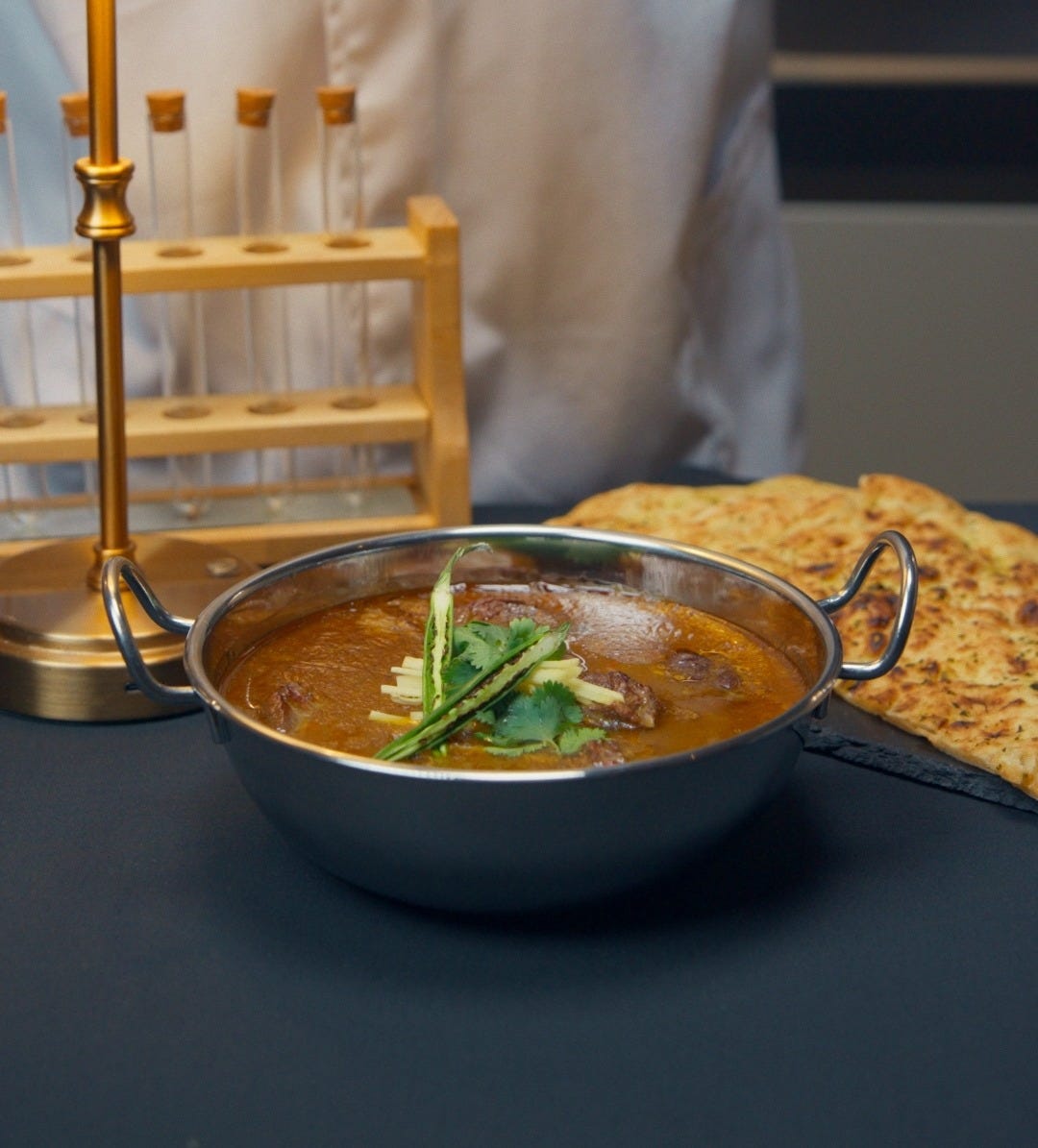
Around five years ago was the first time I had a bowl of Nihari, and I didn’t know what I was about to eat. This was one of the first experiences trying Pakistani/Indian food, and it blew my mind. The colour stopped me at first. It was deep brown, almost lacquered, glossy in a way that looked more like a reduction sauce than a curry. The smell was warm, unified, nothing sharp or aggressive, but it had these nice earth tones that just really blew my mind.
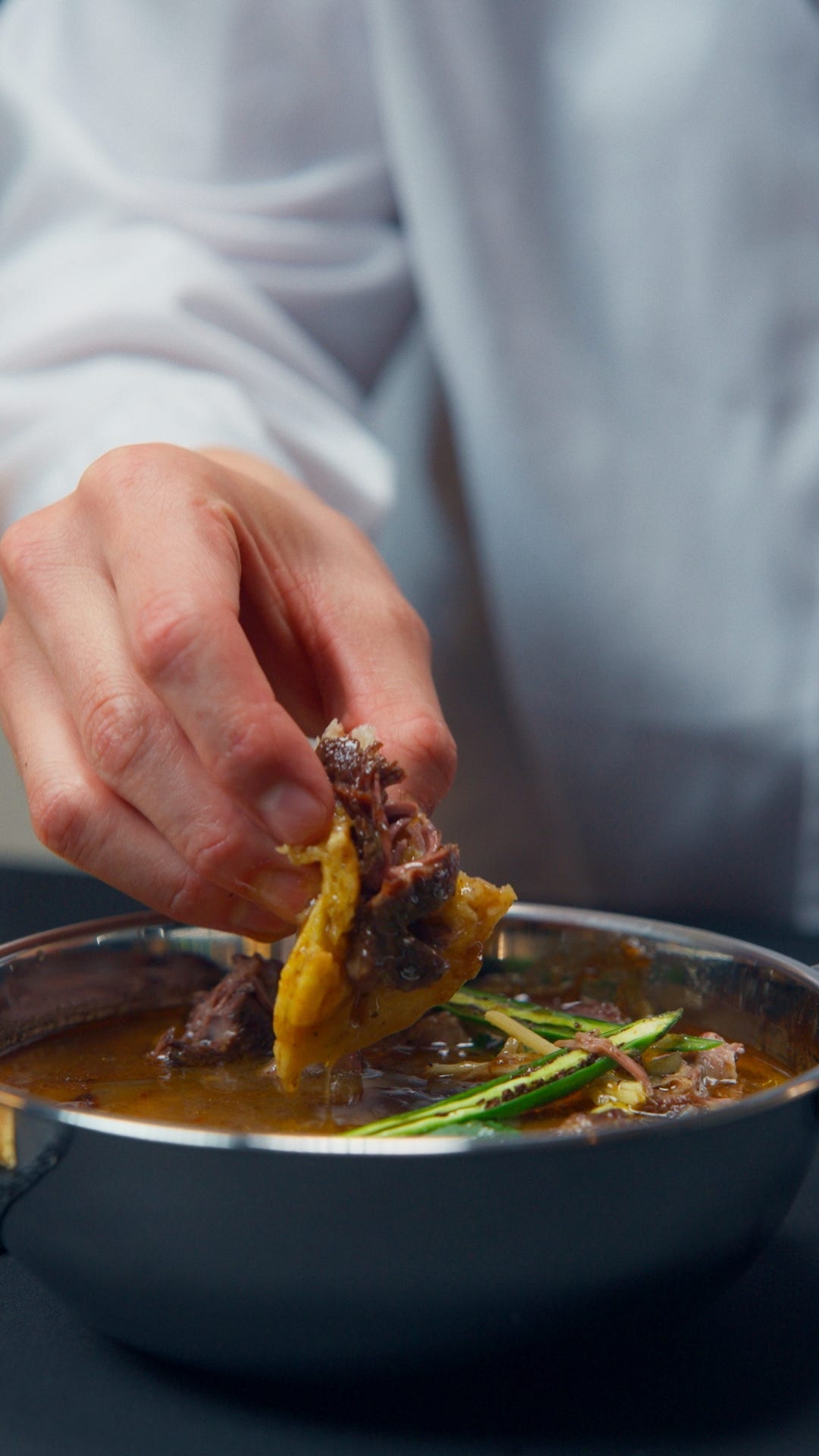
When I took my first spoonful, the meat literally dissolved in my mouth, and the broth coated my mouth and stayed there, and that’s when I fell in love. I thought about that bowl a lot since, and the more I learned about food science, the more I have come to understand that Nihari isn’t just a great recipe; it’s almost a perfect demonstration of what slow cooking actually does at a molecular level.
Let’s start with the meats, for instance. Beef shank is what most people would call a tough cut. It’s full of collagen, dense and fibrous, which makes it cheap, but when you cook it quickly, that’s if you cook it quickly. If you applied sustained, gentle heat over several hours, something remarkable happens. Basically, what happens here is the collagen slowly unravels and dissolves into a braising liquid, converting into gelatin. That gelatin is exactly what you need, and that is exactly why I tasted it in that bowl five years ago. The silky, lip-coating, almost sticky mouthfeel that makes Nihari so special, and you can’t fake it with any other cut. You also can’t rush it with high heat, either, because this recipe requires time and patience.
Then there’s the broth. That glossy, lacquered appearance isn’t just fat sitting on the surface; it’s basically an emulsion. When the bone marrow is stirred into the gelatin-rich broth, the fat breaks into microscopic droplets that are trapped and stabilised by the gelatin molecules. The result looks almost polished. It coats the back of a spoon and holds a clean line when you drag your finger through it.
The spice work is where most home cooks leave the most on the table. Toasting whole spices before grinding isn’t traditional for tradition’s sake. It triggers surface reactions that create an entire new flavour compound that simply don’t exist when you use pre-ground spices. Then blooming those ground spices in hot ghee before adding any liquid isn’t optional either. The aromatic compounds in spices are fat-soluble, not water-soluble, and ghee is the solvent. Without it, you’re extracting the fraction of what the spices can actually give.
But my secret is that I rest it overnight, the step that most recipes list as optional but I’d argue is actually one of the most important. During those hours in the fridge, the aromatic compounds from every spice continue migrating throughout the liquid. The sharp individual notes round out and everything integrates. Day two nihari doesn’t just taste better; it’s actually better.
That’s my version of the bowl. The recipe is long because the explanations are built in, and every step has a reasoning behind it to accomplish the goals I need to accomplish. I think the reasons make you a better cook and not just a better nihari maker, so let’s get started.
Before starting any Science based recipe i always like to see what Im trying to achieve by looking at the key elements of making Nihari and reverse engineering from there:
TARGET TEXTURE — silky, lip-coating broth
Bone-in shank, cross-cut into 5–6cm rounds The bone exposure maximises collagen and marrow release — both essential for gelatin body in the broth.
Separate marrow bones Marrow stirred in at the end emulsifies the broth. This is what gives nihari its lacquered, glossy appearance rather than a greasy surface.
5–6 hours at 82–88°C — not a rolling boil Collagen converts to gelatin slowly. High heat toughens the meat and breaks the emulsion into a greasy, cloudy broth.
TARGET FLAVOUR — deep, unified, no sharp edges
Whole spices, toasted and freshly ground Toasting creates new flavour compounds that don’t exist in raw spices. Pre-ground has already lost most of its volatile aromatics.
Spices bloomed in ghee, not added to water Aromatic compounds in spices are fat-soluble. Ghee is the solvent — without it you extract a fraction of the flavour potential.
Onions cooked to copper, not gold The Maillard reaction needs to fully complete. Gold onions mean it barely started — the gravy will taste thin regardless of how many spices you add.
Overnight rest in the fridge Spice compounds continue migrating and equilibrating for hours. Sharp individual notes round out. Day-two nihari is a noticeably different dish.
TARGET CONSISTENCY — gravy that coats and clings
Atta flour slurry, not cornflour Atta gives a softer, more integrated thickness. Cornflour can feel gluey and sits on top of the broth rather than integrating with it.
Slurry simmered 20 minutes after adding Raw starch has a chalky, floury taste that only disappears once fully cooked out. This step is not optional.
Season only at the end The liquid reduces significantly across 6 hours, concentrating salt. Season early and the finished dish will be too salty.
TARGET CONTRAST — garnishes are not decoration
Fresh ginger, coriander, green chilli, and lemon ready to serve Nihari is intensely rich — it needs contrast to stay enjoyable. Acid from lemon increases aroma volatilisation, making everything smell and taste more vivid. The garnishes reset the palate between bites and cut through the fat.